
In today's competitive e-commerce landscape, understanding customer behavior and tailoring marketing strategies accordingly is crucial for success. The challenge lies in reaching the vast number of potential customers with diverse and specific needs, often referred to as niche audiences. This is where long tail keyword targeting emerges as a powerful tool.
The problem is that generic keywords often lead to high competition and broader audiences, while more specific long-tail keywords can be overlooked. However, by employing long tail keyword targeting, businesses can achieve a wealth of opportunities. We'll explore how this strategy allows for more precise customer targeting, improving conversion rates and overall e-commerce performance.
In this article, we'll examine the fundamentals, strategic applications, advanced tactics, and essential tools for mastering long tail keyword targeting, providing you with a practical guide to leverage this powerful marketing technique.
- Understanding Long-Tail Keywords: E-commerce's Hidden Treasure
- Why Long Tail Keyword Targeting is Crucial for Success
- Uncovering Customer Intent: The Key to Long-Tail Success
- Researching and Identifying Relevant Long-Tail Keywords
- Optimizing Your Site for Long-Tail Keyword Conversions
- Content Strategies for Effective Long-Tail Keyword Promotion
- Measuring and Analyzing Long-Tail Keyword Performance in E-commerce
Understanding Long-Tail Keywords: E-commerce's Hidden Treasure
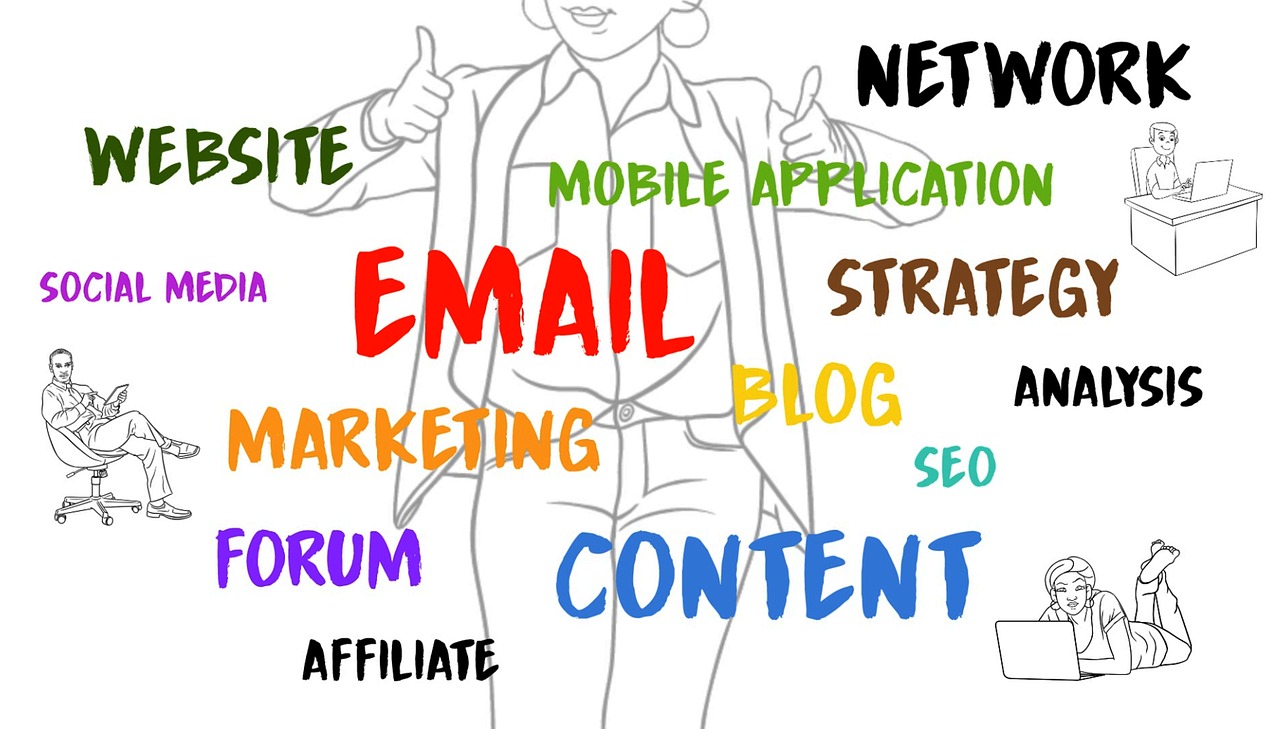
Long-tail keywords represent a powerful yet often overlooked asset for e-commerce businesses aiming to expand their online reach and sales. These are specific, niche-focused phrases that typically consist of three or more words and mirror the actual search queries users enter into search engines. Unlike more general head terms, long-tail keywords are highly targeted, reflecting the user's intent with greater accuracy. Understanding and effectively leveraging these keywords can achieve significant advantages for online retailers.
By examining the nuances of long-tail keywords, e-commerce businesses can enhance their search engine optimization (SEO) strategies. A study of Google Search Trends reveals that many long-tail keywords exhibit consistent, predictable search volumes over time, providing a stable foundation for content optimization. Conversion rates for long-tail keyword campaigns tend to be higher than for broader head terms, indicating that these phrases attract more motivated and qualified leads. A fashion e-commerce site targeting "womens organic cotton dresses near me" is more likely to convert than one using a more general term like "buy dresses online."
When implementing long-tail keyword targeting, e-commerce businesses should focus on optimizing product pages, customer reviews, and local listings. Utilizing best long-tail keyword tools and software can significantly aid in this process. For niche long tail keyword marketing, these tools help uncover unique, low-competition terms with strong search potential. A local bakery might target "artisan sourdough bread delivery Seattle" to attract customers seeking specialty products in their area. Integrating these keywords into Google My Business listings ensures a stronger local SEO presence, enhancing discoverability for nearby customers.
Why Long Tail Keyword Targeting is Crucial for Success

Long tail keyword targeting is a powerful strategy that can significantly boost your e-commerce success. Unlike broad, high-volume keywords, these long-form, specific terms represent the queries that potential customers use when they're closer to making a purchase decision. They reflect a deeper level of interest and understanding of the product or service, making them highly valuable for conversion. This is because it accurately reflects a specific need, aligning closely with the user's intent.
Experienced long tail SEO consultants emphasize the importance of identifying these niche audiences and crafting content that resonates with them. Top-rated long tail keyword strategies involve in-depth keyword research using tools like Google Keyword Planner and SEMrush to uncover these valuable terms. A local clothing retailer targeting "organic cotton women's dresses" can create targeted content on specific dress styles, sizes, and colors, appealing to the needs of their long-tail audience. This local long tail keyword optimization ensures that their website content not only ranks higher for these specific searches but also attracts the right customers, leading to increased sales and a more loyal customer base.
On a practical level, implementing long tail keyword targeting involves integrating these phrases naturally throughout your website. This includes product pages, customer reviews, and even meta descriptions. By doing so, you're not only improving your SEO but also enhancing the user experience. Well-optimized product pages that speak directly to the customer's needs can reduce bounce rates and increase average order value. Leveraging Google My Business to target local long tails, such as "best vegan restaurant near me," can drive targeted local traffic and enhance your online reputation. In today's competitive e-commerce landscape, successful businesses recognize the value of long tail keyword targeting as a key differentiator, allowing them to reach and convert customers at every stage of their buying journey.
Uncovering Customer Intent: The Key to Long-Tail Success

Uncovering customer intent lies at the heart of successful long tail keyword targeting. These long, specific phrases offer immense potential for e-commerce businesses, as they reflect the precise needs and queries of niche audiences. By understanding the intent behind each long tail keyword, businesses can craft content, optimize product pages, and develop marketing strategies that resonate with customers.
Consider a customer searching for "organic cotton baby swaddles." Their intent is clear: they're looking for a specific product, aiming for a natural, eco-friendly option for their baby. If your e-commerce site offers such products, optimizing your product page with relevant keywords like "organic cotton baby swaddles" and incorporating customer reviews will enhance visibility. This strategy ensures your site appears in search results tailored to this exact customer need, leading to higher conversion rates.
Trusted long tail keyword tracking tools and SEO analytics platforms play a crucial role in identifying these valuable phrases. These tools analyze search trends, providing insights into the growing popularity of long tail keywords. Google Search Trends can reveal emerging topics and niche interests, allowing businesses to adapt their strategies accordingly. By combining these data points with competitor analysis, you can uncover the most effective long tail keyword strategies. A competitor analysis might reveal that "best organic baby products" is a high-performing keyword for your industry, guiding your content creation and SEO efforts.
Emergency SEO services for long tail keywords can be invaluable when facing sudden shifts in search trends or competition. These services offer rapid optimization and strategy adjustments, ensuring your e-commerce site stays relevant and competitive. Remember, long tail keyword targeting isn't a one-time task; it requires continuous monitoring and refinement. Regularly review your keyword performance, stay updated on industry changes, and adapt your content to maintain a strong online presence.
Researching and Identifying Relevant Long-Tail Keywords

Researching and identifying relevant long-tail keywords is a critical step in any successful long tail keyword targeting strategy. It involves examining the nuances of your target audience's search behavior and understanding their intent behind specific queries. This process requires a combination of intuitive understanding and data-driven insights.
One effective approach is leveraging top-rated long tail keyword strategies from industry experts. Certified long tail keyword analysts play a pivotal role here, bringing a wealth of experience and sophisticated tools to bear. These analysts often employ keyword research software and SEO analytics platforms to uncover not just the most popular but also the most relevant and underutilized long-tail keywords. They might analyze Google Search Trends and Customer Reviews to identify common pain points and specific product mentions. By doing so, they can surface keywords that align closely with consumer expectations and search intent, enhancing the chances of product pages ranking higher in search results.
A practical example of this process might involve a retailer looking to boost sales for a specific type of niche product. A certified analyst could uncover a series of long-tail keywords like "best organic cotton t-shirts for men" or "affordable vegan sneakers for women." These keywords not only capture the product's essence but also indicate the consumer's level of commitment and awareness, allowing the retailer to tailor content and SEO strategies accordingly. Same-day long tail keyword campaigns can be executed with precision, leveraging real-time data to capture emerging trends and rapidly shifting consumer preferences, demonstrating the agility made possible through thorough keyword research.
Optimizing Your Site for Long-Tail Keyword Conversions

In the competitive e-commerce landscape, long tail keyword targeting is a powerful strategy to uncover hidden opportunities and drive conversions. These specific, long-form keywords, often consisting of three or more words, can be significantly less competitive than mainstream search terms. While "shoes" might have a high search volume, it's crowded with competitors. In contrast, "affordable vegan running shoes for wide feet" is a long tail keyword that attracts a more niche audience, making it easier for your site to rank and convert visitors.
To harness the conversion potential of long tail keywords, optimize your site with a strategic approach. First, conduct thorough keyword research using tools like Google Trends and specialized software to identify relevant terms that align with your products and services. For local businesses, focusing on local long tail keywords optimization is crucial. A bakery in a specific neighborhood could target "best gluten-free cupcakes in [neighborhood name]" to attract local customers seeking that specific product. This same-day long tail keyword campaign can be highly effective, as users often search for immediate solutions or local options.
Once identified, incorporate these long tail keywords naturally into your product pages, customer reviews, and even website structure. Ensure your meta titles and descriptions reflect these keywords accurately, providing a clear signal to search engines. Remember, the goal is to create a seamless user experience while ranking for specific search queries. By optimizing for these affordable long tail keyword targeting strategies, your e-commerce site can attract a more qualified audience, resulting in higher conversion rates.
Content Strategies for Effective Long-Tail Keyword Promotion

In the e-commerce landscape, long tail keyword targeting is a powerful strategy to connect with niche audiences and boost sales. These long, specific phrases, often derived from Google Search Trends, offer a lower competition environment compared to more general keywords. By focusing on long tail keywords, retailers can attract highly qualified customers who are actively searching for their specific products or services. Instead of targeting "shoes" (a broad, competitive term), a shoe retailer might target "men's running shoes with gel cushioning," which is more specific and less crowded.
Content creation is a critical component of successful long tail keyword targeting. The goal is to provide valuable, relevant information that satisfies the user's search intent. One effective approach is to create in-depth product pages that incorporate the long tail keyword in a natural way throughout the content. This includes detailed descriptions, customer reviews, and comprehensive comparisons with similar products. A licensed long tail keyword expert might recommend a strategy that includes a blog post titled "Top 10 Men's Running Shoes with Gel Cushioning for 2023," which then links to individual product pages for each shoe. This not only targets the long tail keyword but also enhances user experience by offering a rich, informative resource.
Leveraging customer reviews and ratings can significantly boost the effectiveness of long tail keyword promotion. Encouraging customers to leave detailed reviews that include relevant keywords and phrases can improve the search visibility of both the product and the brand. Trusted long tail keyword tracking tools can help monitor these reviews and identify new opportunities for content creation. Analyzing customer feedback on "men's gel-cushioned running shoes" might reveal common pain points or features they value, leading to content that addresses these specific concerns and drives conversions.
By integrating these content strategies, e-commerce businesses can harness the power of long tail keyword targeting to attract, engage, and convert niche audiences. It's a precise, targeted approach that can deliver impressive results when executed effectively.
Measuring and Analyzing Long-Tail Keyword Performance in E-commerce
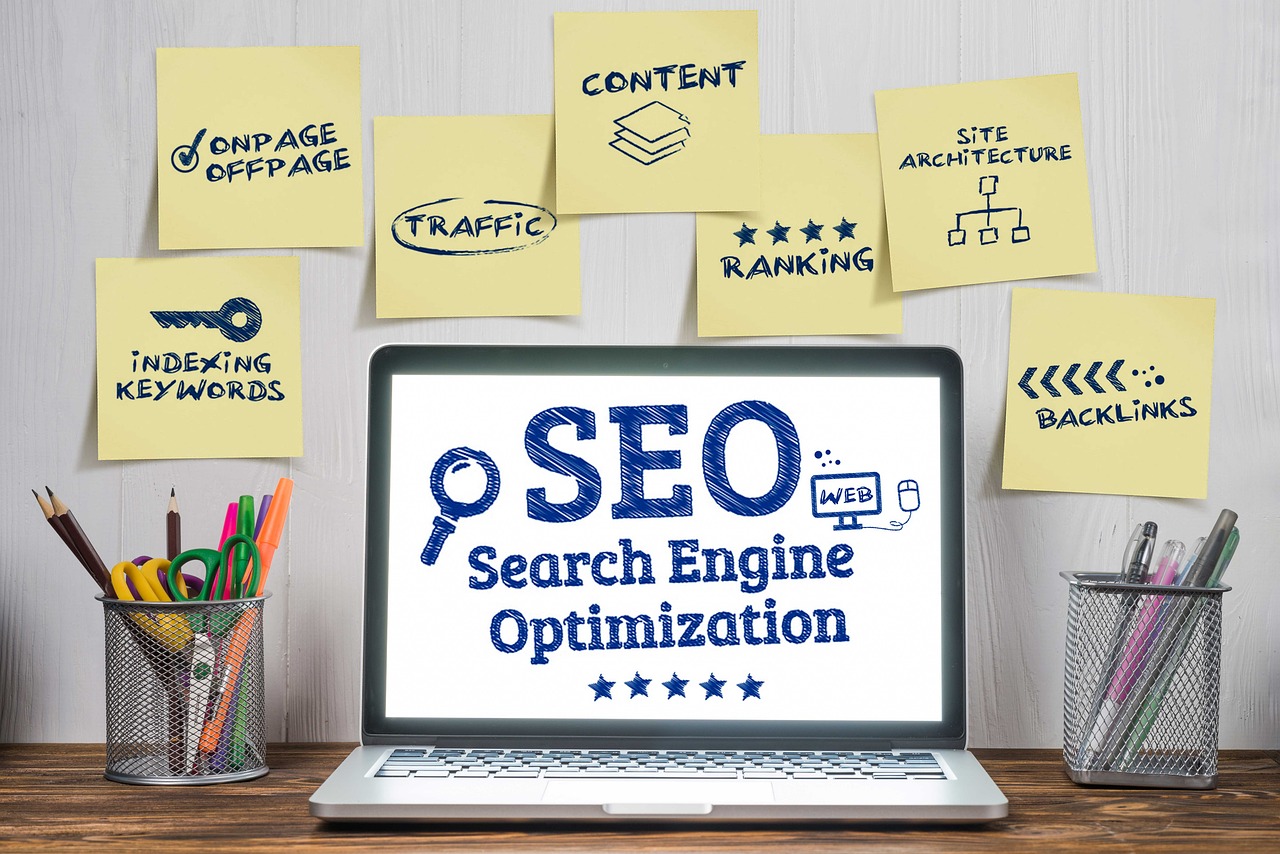
Measuring and analyzing long-tail keyword performance is a crucial step in any successful e-commerce SEO strategy. This involves understanding how your targeted long-tail keywords are converting and performing in search results. One effective method is to use keyword research tools that provide data on search volume, competition, and click-through rates. Tools like Google Keyword Planner or SEMrush can offer insights into the effectiveness of your chosen long-tail keywords.
Licensed long tail keyword experts recommend tracking these metrics for each long-tail keyword variation to identify trends and patterns. By analyzing conversion rates, you can determine which long-tail keywords are driving the most sales or engagement. For local e-commerce businesses, local long tail keyword optimization becomes critical. Near me long tail keyword listings can significantly impact visibility and drive targeted traffic from nearby customers. Monitoring these local keywords and their performance can help you refine your local SEO strategy and improve customer acquisition.
In e-commerce, it's essential to focus on keywords with a high search intent that align with your products or services. If you're a clothing retailer, long-tail keywords like "women's organic cotton dresses" have a clear purchasing intent. Tracking these keywords' performance can reveal opportunities for improving product page content, enhancing customer reviews, and refining your overall SEO strategy. Regularly reviewing and adjusting your long tail keyword targeting approach based on these analyses will ensure your e-commerce site stays optimized and relevant in a competitive market.
Frequently Asked Questions About Unleashing the Power of Long-Tail Keywords in E-commerce
What are long-tail keywords, and why are they important in e-commerce? Long-tail keywords are specific and less common search terms that consist of three or more words. They are crucial in e-commerce as they attract highly motivated buyers who know exactly what they want. These keywords have lower competition, making it easier for online stores to rank higher in search engine results pages (SERPs). By targeting long-tail keywords, e-commerce businesses can drive highly relevant traffic, improve conversion rates, and enhance overall customer satisfaction.
How do I identify effective long-tail keywords for my e-commerce site? Start by analyzing your customer base and their search behavior. Use tools like Google Keyword Planner or SEMrush to uncover related keywords with low competition and high search volume. Look for keywords that reflect common customer queries and questions. Instead of targeting a broad term like "shoes," consider "best running shoes for flat feet" or "women's leather sneakers."
What are some strategies to optimize my website for long-tail keywords?
- Create compelling and detailed product descriptions that naturally include long-tail keywords.
- Implement these keywords in your meta tags, titles, and headings.
- Optimize your URL structure to include relevant long-tail keywords.
- Utilize internal linking to connect related products and content, enhancing the user experience and search engine visibility.
- Encourage customer reviews and testimonials, as they can drive organic traffic and improve conversion rates.
Can long-tail keywords improve my e-commerce site's conversion rates? Absolutely. Long-tail keywords attract customers with a clear purchase intent. When your website ranks for these specific terms, you're more likely to convert visitors into buyers. By providing relevant and targeted content, you meet the needs of these customers, leading to higher conversion rates and increased sales.
How do long-tail keywords impact my SEO strategy? Long-tail keywords are a cornerstone of a successful SEO strategy. They help search engines understand your website's focus and relevance for specific user queries. Optimizing for these keywords improves your site's visibility and click-through rates (CTRs) in organic search results. A well-optimized e-commerce site with a strong long-tail keyword strategy can outrank competitors and dominate search rankings.
Are there any tools recommended for keyword research in e-commerce? Yes, several tools can aid in long-tail keyword research. Google's Keyword Planner offers insights into search volume and competition. SEMrush provides comprehensive keyword research, including long-tail suggestions and competitor analysis. Ahrefs is another powerful tool that helps identify keywords and their searcher intent, ensuring your content aligns with user expectations.
Long-tail keyword targeting is a powerful strategy that can significantly boost e-commerce success. By understanding and harnessing the unique potential of these keywords, businesses can achieve access to niche audiences and drive targeted traffic. Throughout this article, we've explored various facets of long-tail keyword targeting, from unearthing customer intent to implementing effective content strategies.
The key takeaways are clear:
- Long-tail keywords, often overlooked, hold immense value due to their specificity and lower competition.
- Targeted long-tail keywords can dramatically improve conversion rates by matching searcher intent precisely.
- Comprehensive keyword research using tools and platforms like Google Trends and Keyword Research Software is essential for identifying relevant long-tail terms.
- Optimizing product pages, customer reviews, and Google My Business listings with long-tail keywords can increase visibility and sales.
- Measuring and analyzing long-tail keyword performance allows for continuous improvement and refinement of SEO and PPC strategies.
By implementing these insights, e-commerce businesses can refine their digital marketing efforts, attract the right customers, and ultimately achieve greater success in a competitive online landscape.
Long Tail Keyword Targeting for E-commerce Success:
- Powerful Asset: Long-tail keywords, specific niche-focused phrases, enhance SEO and sales by reflecting user intent, attracting motivated leads, and providing stable search volumes.
- SEO Strategy: Implement them through product page optimization, local listings, and best long-tail keyword tools to uncover low-competition, high-intent terms.
- Practical Steps:
1. Research: Use tools like Google Keyword Planner and SEMrush to find relevant long-tail keywords.
2. Target Niche Audiences: Craft content tailored to specific needs, converting searchers into customers.
3. Local Optimization: For local businesses, target "near me" long-tail keywords to attract nearby customers.
4. Monitor Performance: Track conversion rates, search volume, and competition for each long-tail keyword to refine strategies.
- Benefits: Increased conversion rates, improved SEO, enhanced user experience, and a competitive edge in the e-commerce market.