
In today's competitive e-commerce landscape, understanding and leveraging long tail keyword targeting is no longer an option, but a necessity. These niche, specific search terms can significantly boost your online visibility and drive highly qualified traffic, but they're often overlooked in favor of broader, more popular keywords. The problem lies in the sheer volume of generic keywords and the challenge of identifying the most effective long-tail variants. However, by employing strategic long tail keyword targeting, e-commerce businesses can achieve substantial growth opportunities, enhance customer engagement, and ultimately outperform their competitors. This article provides a practical guide to mastering this technique, examining the fundamentals, strategic applications, advanced tactics, and essential tools for successful long tail keyword targeting.
- Understanding Long-Tail Keywords: Definition and Impact
- Why Long Tail Keyword Targeting Matters for E-commerce
- Identifying Niche Opportunities: Researching Long-Tail Phrases
- Crafting Compelling Product Listings for Long-Tail Searches
- Optimizing Your E-commerce Site for Long-Tail Conversions
- Measuring Success: Analyzing Long-Tail Keyword Performance
- Advanced Strategies for Continuous Long-Tail Optimization
Understanding Long-Tail Keywords: Definition and Impact
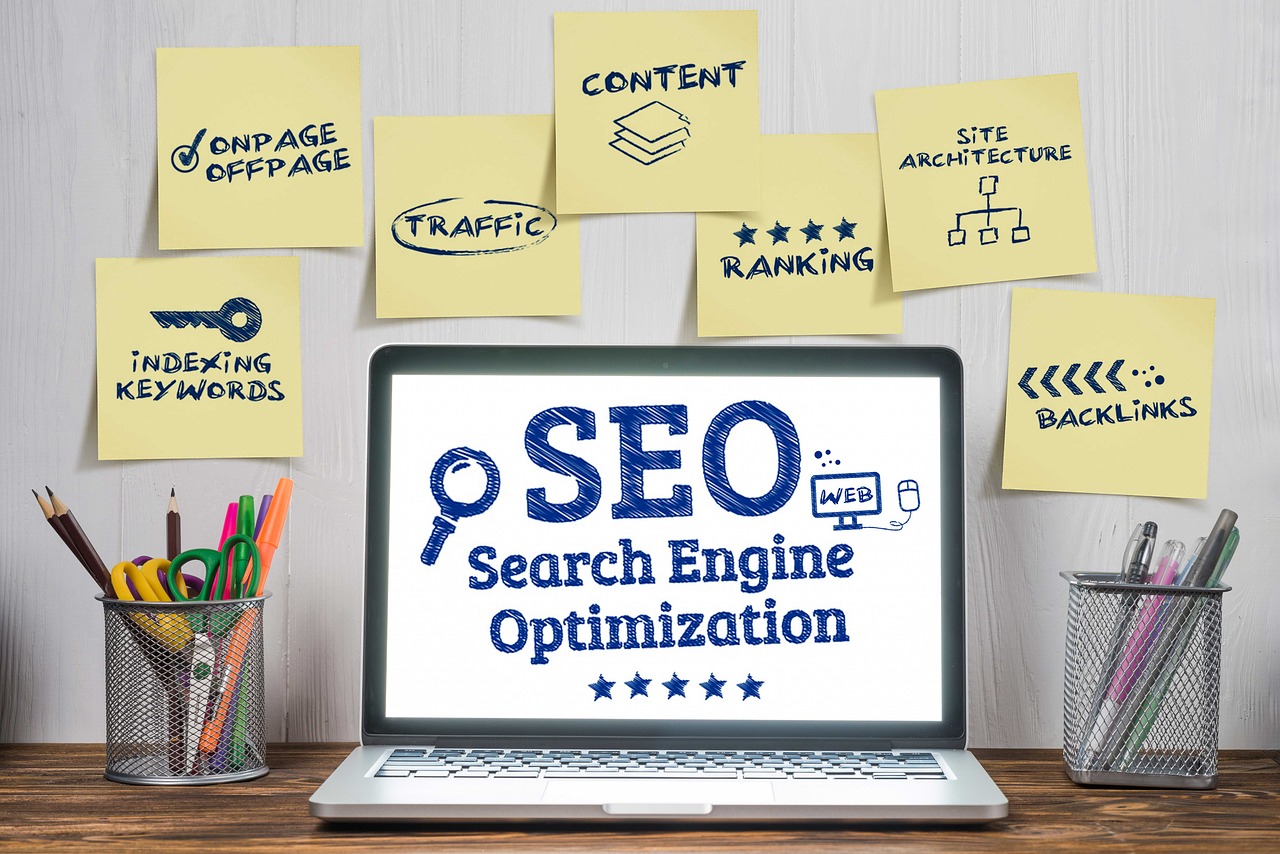
Long-tail keywords are a powerful tool for e-commerce businesses looking to increase their online visibility and conversions. These are specific, often three- or four-word phrases that users type into search engines when they have a clear intent to find a specific product or service. Instead of searching for "shoes," a user might search for "best running shoes for wide feet." This targeted search term is a long-tail keyword.
Understanding the impact of long-tail keywords is crucial. They significantly boost your search console rankings because they indicate a high level of user intent and a lower competition level compared to head terms. By targeting these keywords, you can attract a highly qualified audience that is more likely to convert. A local bakery might rank for "fresh croissants near me" rather than simply "croissants." This local long tail keyword optimization not only increases visibility but also fosters trust and loyalty among customers who are looking for a specific product or service in their immediate vicinity.
Trusted long tail keyword tracking is essential for gauging the effectiveness of your SEO strategy. Using the right keyword research tools, you can monitor the performance of your long-tail keywords and adjust your content strategy accordingly. If you notice a surge in traffic from the search term "organic coffee beans online," you can create content that further engages this audience and encourages conversions. By staying attuned to these trends, you can ensure your e-commerce site remains competitive and relevant in the dynamic world of online shopping.
Why Long Tail Keyword Targeting Matters for E-commerce

In the dynamic landscape of e-commerce, understanding and leveraging long tail keyword targeting is not merely a strategic choice-it's a competitive necessity. These are the low-hanging fruits of online search, often overlooked yet incredibly powerful. They consist of specific, detailed phrases that reflect precise user intent and typically have lower search volumes and competition compared to head keywords. For e-commerce businesses, focusing on long tail keywords can significantly improve site visibility, enhance customer targeting, and drive more relevant traffic.
Consider the typical e-commerce customer journey. They don't just type in "shoes" into a search bar; they might search for "best running shoes for narrow feet" or "women's leather flats for work." These are long tail keywords-specific and detailed. By targeting these phrases, you're not just competing against a sea of general retailers; you're addressing a specific need, which significantly increases the chance of a conversion. A licensed long tail keyword expert might uncover lesser-known options like "organic cotton baby onesies" or "wireless headphones for gaming," keywords that can yield a dedicated, engaged audience. Nearby long tail keyword research can uncover regional or demographic variations, allowing businesses to tailor their strategies for maximum impact.
Implementing effective long tail keyword targeting requires a strategic approach. Start by integrating these keywords naturally into product pages and customer reviews. Ensure your SEO strategy reflects this focus, with a particular emphasis on converting search intent into sales. A same-day long tail keyword campaign could be highly successful for local businesses. By optimizing for these niche phrases, you can quickly gain traction in your market and establish a strong online presence. It's about being where your customers are, in the language they're using-a powerful strategy that can set your e-commerce business apart.
Identifying Niche Opportunities: Researching Long-Tail Phrases

Identifying niche opportunities through long tail keyword research is a strategic move for e-commerce businesses aiming to gain a competitive edge. Unlike general, high-volume keywords, long tail phrases are specific, precise, and often reveal consumer intent. They can be the key to achieving untapped markets and improving product discoverability.
Start by understanding the search trends and behaviors of your target audience. Tools like Google Trends can offer insights into popular search terms related to your industry. If you sell gardening supplies, exploring long tail keywords like "organic gardening tips for beginners" or "how to grow rare succulents" can reveal a dedicated, niche audience eager for specialized content. These phrases often have lower search volumes, but they also indicate a higher level of user intent, suggesting customers are closer to making a purchase decision.
The best long tail keyword tools, such as SEMrush or Ahrefs, can significantly streamline this process. They offer comprehensive keyword research capabilities, including historical data, search volume, and difficulty ratings. By analyzing these metrics, you can identify the most valuable long tail keywords for your e-commerce site. A certified long tail keyword analyst might uncover a surprising demand for a specific product variation, leading to strategic decisions on inventory and marketing. Remember, successful long tail keyword targeting involves a deep understanding of your customer's language and pain points, as revealed through thorough research and analysis.
Crafting Compelling Product Listings for Long-Tail Searches

Crafting compelling product listings to capture long-tail searches is a powerful strategy for e-commerce businesses aiming to increase their online visibility and sales. These specific, niche-focused keywords can drive highly targeted traffic and, when optimized effectively, lead to higher conversion rates. The key lies in understanding the unique search intent behind these longer, more descriptive phrases and tailoring your content accordingly.
When creating product listings, consider the typical search behavior of your target audience. If you sell gardening tools, a user might search "best ergonomic gardening shears for roses" instead of just "gardening shears." This long-tail keyword includes specific product attributes and usage scenarios, indicating a user who is ready to purchase and has a clear need. By incorporating such details into your product descriptions, you provide a more relevant experience for the searcher, increasing the chances of a conversion.
Utilizing the best long tail keyword tools can significantly aid in this process. You might uncover a growing interest in eco-friendly products, leading to the addition of "biodegradable gardening gloves" as a new product variant. Licensed long tail keyword experts can also provide valuable insights, ensuring your strategy aligns with current market demands and searcher intent. Remember, long tail keyword targeting is not just about optimizing for search engines; it's about engaging and converting customers who are actively searching for your specific offerings.
Optimizing Your E-commerce Site for Long-Tail Conversions

To optimize your e-commerce site for long-tail conversions, you must first understand the unique value these keywords bring. Unlike head terms with high search volume and broad appeal, long-tail keywords are more specific, usually consisting of three or more words. They reflect precise user intent, often indicating a searcher's readiness to purchase. While "shoes" might be a common e-commerce keyword, "Nike Air Max 90 black men's shoes" is a long-tail term that highlights a specific product, size, and demographic preference. This level of detail can significantly improve your site's relevance and conversion rates.
Reliable long tail keyword research software becomes an indispensable tool in this process. These tools not only help you identify relevant, low-competition long-tail keywords but also provide insights into search trends and potential conversion opportunities. Ahrefs or SEMrush can show you how often a particular long-tail term is searched and how competitive it is. This data allows you to prioritize keywords that offer the best balance between search volume and difficulty. Remember, the goal is to target keywords that align with your product offerings and customer base, driving targeted traffic that is more likely to convert.
An emergency SEO service for long tail keywords might seem unnecessary, but rapid changes in search trends demand agility. When a new, relevant long-tail keyword emerges or an existing one experiences a surge in search volume, prompt action is crucial. This is where a robust SEO strategy comes into play. Analyze your current keyword strategy, identify gaps, and create content that incorporates these new terms. A keyword cost analysis for long-tail keywords can also help you budget effectively. While the cost per click for long-tails might be lower than for head terms, their conversion potential should be considered. By carefully managing your keyword bidding and content strategy, you can maximize the return on investment for your long-tail efforts.
Measuring Success: Analyzing Long-Tail Keyword Performance

Measuring the success of long-tail keyword targeting in e-commerce is crucial for any business looking to gain a competitive edge. Unlike broad-match keywords, long-tail keywords are more specific and often reflect the exact intent of the searcher. This makes them invaluable for targeted campaigns that drive relevant traffic and conversions. To evaluate performance, begin by setting clear goals aligned with your business objectives. If your goal is to increase sales, track conversions and revenue attributed to long-tail keywords.
Utilize advanced analytics tools to gain deeper insights. Analyze user behavior, such as bounce rates, average session duration, and pages per session, to understand how visitors interact with your site after clicking on long-tail keywords. This data helps identify high-performing keywords and optimizes landing pages for better user experiences. For same-day campaigns, focus on real-time analytics to measure immediate results. Tools like Google Analytics, combined with your e-commerce platform's built-in analytics, can provide actionable data for rapid adjustments.
Affordable long-tail keyword targeting is achievable through strategic planning and the right tools. Avoid expensive, complex strategies and opt for data-driven, targeted approaches. Leverage keyword research software to uncover long-tail keywords with lower competition but strong search volume. Consider using emergency SEO services for long tail keywords when quick turnarounds are essential. These services employ experts who can rapidly assess your current strategy, implement necessary changes, and monitor results, ensuring your long-tail keyword campaigns stay on track despite time constraints.
Advanced Strategies for Continuous Long-Tail Optimization

As e-commerce continues to grow, so does the competition. To stand out in this crowded digital landscape, retailers must master the art of long tail keyword targeting. While short-tail keywords remain popular, focusing on the long-tail offers a strategic advantage, attracting a more specific and committed audience. This advanced section examines continuous optimization techniques for maximizing the power of long-tail keywords.
One effective tactic is to incorporate local long tail keyword research. By targeting location-specific keywords, e-commerce businesses can reach potential customers within their immediate area. A nearby bakery could optimize for "best artisan bread in [city name]" to attract nearby customers looking for high-quality, local products. This strategy not only drives relevant traffic but also fosters a sense of community. Certified long tail keyword analysts play a crucial role here, offering expert insights and strategies to identify and capitalize on these niche terms. They understand the nuances of local search intent and can help retailers tailor their content accordingly.
Regular keyword monitoring and adjustment are essential for sustained success. E-commerce businesses should employ SEO tools to track the performance of their long-tail keywords. Analyze search trends and conversion rates to identify top-performing terms and those that require refinement. A retailer might notice a surge in searches for "vegan clothing" and optimize their product pages accordingly. This data-driven approach ensures that the website remains relevant and aligned with customer preferences. Understanding the backlink profile and incorporating smart PPC advertising strategies can further enhance the reach and authority of these long-tail keywords.
In the changing digital landscape, continuous optimization is key. By leveraging local optimization techniques, collaborating with certified analysts, and staying agile with data-driven adjustments, e-commerce businesses can achieve the full potential of long tail keyword targeting. This strategic approach not only boosts online visibility but also fosters a loyal customer base, setting the stage for long-term success.
Frequently Asked Questions About Unleashing the Power of Long-Tail Keywords in E-commerce
What are long-tail keywords? Long-tail keywords are specific phrases that are less common but more precise than standard search terms. They typically consist of three or more words and reflect an user's exact intent, like "best organic coffee beans for baking." These keywords are powerful because they attract a smaller, highly targeted audience, often resulting in higher conversion rates.
Why are long-tail keywords important for e-commerce? Long-tail keywords are crucial because they drive highly qualified traffic. Unlike broad head terms, they indicate a clear buying intent. This means shoppers using long-tail keywords are closer to making a purchase decision, increasing the likelihood of conversions. Also, they help in reducing competition, allowing for better ranking and visibility.
How do I find relevant long-tail keywords for my e-commerce site? Start by analyzing your Google Analytics data to identify popular search terms. Tools like Google Keyword Planner and SEMrush can help uncover long-tail keywords with low competition and high search volume. Look for phrases that match your products or services and consider the buying stage of your target audience.
What strategies can I use to optimize for long-tail keywords?
- Content Creation: Develop content around your targeted long-tail keywords. Write blog posts, product descriptions, and reviews that directly address these queries.
- URL and Title Optimization: Incorporate long-tail keywords into your URLs and page titles to signal search engines about the content's relevance.
- Internal Linking: Link relevant pages together using long-tail keywords as anchor text. This improves crawlability and distributes page authority.
Are there any risks or challenges associated with long-tail keywords? While powerful, long-tail keywords may require more effort to rank for due to their specificity. They can also drive less overall traffic compared to broad head terms. However, the higher conversion rates often make up for this. Another challenge is keeping content fresh and regularly updating it to maintain keyword relevance.
Can long-tail keywords improve my e-commerce SEO? Absolutely. Long-tail keywords can significantly enhance your e-commerce SEO by attracting a more motivated audience and helping you outrank competitors for specific, high-intent search queries. Optimizing for these keywords can lead to better search engine rankings, increased organic traffic, and higher conversion rates.
By leveraging long tail keyword targeting, e-commerce businesses can achieve significant growth potential. This strategy allows retailers to tap into niche markets, where competition is often lower, and customers are more likely to have a specific, intent-driven search. Through meticulous keyword research, crafting tailored product listings, and optimizing the entire user journey, e-commerce sites can enhance conversion rates and drive higher-quality traffic.
Measuring success with long tail keywords involves tracking their performance using robust analytics tools. By analyzing click-through rates, conversion rates, and customer behavior, retailers can fine-tune their strategies and identify further optimization opportunities. Adopting advanced techniques, such as continuous keyword monitoring and refining the backlink profile, ensures that the e-commerce site stays ahead of the curve, maximizing the benefits of this powerful SEO approach.
Long tail keyword targeting is a critical component of any successful e-commerce SEO strategy. It offers a strategic advantage by enabling businesses to connect with specific customer needs, ultimately driving conversions and building a strong online presence.
Long-tail keywords are powerful tools for e-commerce, boosting search rankings and attracting qualified customers with specific product needs. Effective long tail keyword targeting involves understanding user intent, using keyword research tools, and optimizing product listings and content. Local long tail keywords and continuous optimization, guided by experts and data analysis, further enhance online visibility and conversions. Implementing these strategies can set e-commerce businesses apart and drive sustainable growth.