
In today's competitive digital landscape, maximizing reviews is crucial for any business aiming to dominate search results and build trust with potential customers. Long-tail keyword campaigns offer a powerful strategy to achieve this, especially when targeting niche audiences. The challenge lies in identifying the most relevant and effective long-tail keywords to drive authentic customer engagement and, ultimately, increase conversions. This article examines the art and science of long tail keyword targeting, providing actionable insights to help you optimize your review generation efforts and outshine the competition.
- Understanding Long-Tail Keywords: Niche Strategies
- Identifying Target Audiences: Tailored Approach
- Optimizing Review Platforms: Where Users Gather
- Crafting Unique Review Content: Stand Out
- Encouraging Reviews: Engagement Tactics
- Analyzing and Responding to Feedback: Continuous Improvement
- Tracking Success: Metrics for Long-Term Growth
Understanding Long-Tail Keywords: Niche Strategies

Understanding long-tail keywords is pivotal for successful niche strategies in long tail keyword targeting. These are specific phrases that are highly relevant to a small group of users, often consisting of three or more words. They reflect precise user search intent, making them powerful tools for niche long tail keyword marketing. Instead of "plumbers," a long-tail keyword could be "best emergency plumbers in Austin."
Focusing on long tail keyword reviews and ratings can significantly boost your campaign's effectiveness. Since these keywords are less competitive than their general counterparts, they offer an affordable entry point for businesses to secure higher rankings and gain visibility. By targeting these specific phrases, you can attract users who are actively searching for your services and are more likely to convert. A plumbing business in Austin could optimize its website and product pages for "top-rated 24-hour plumbers near me."
To implement an effective niche long tail keyword strategy, conduct thorough keyword research using tools designed for this purpose. Analyze search trends, conversion rates, and competitor analysis to identify high-value long-tail keywords. Integrate these keywords naturally into your content, including product pages, Google My Business listings, and customer reviews. This approach not only enhances your search engine optimization (SEO) but also provides valuable insights into your target audience, enabling you to tailor your services and messaging accordingly.
Identifying Target Audiences: Tailored Approach

Identifying your target audience is a crucial step in any successful long-tail keyword campaign. By understanding who your ideal customers are, you can craft reviews and content that resonate deeply with them. This tailored approach not only increases the likelihood of engagement but also boosts your search engine rankings through the power of trusted long tail keyword tracking.
In long-tail keyword targeting, the keywords are typically more specific and descriptive, reflecting actual customer search queries. Instead of targeting a broad term like "plumbers," you might focus on "emergency 24-hour plumbing services in [your city]." This level of specificity points to a clear intent and a ready market for your services. The best long tail keyword tools can help you uncover these gems, providing data on search volume, competition, and user intent.
Consider the diverse needs and pain points of your target audience. For a local service provider, this might mean addressing specific challenges faced by homeowners in different neighborhoods. A same-day long tail keyword campaign, for example, could focus on "quick plumbing repairs near [suburb name]" or "fast drain cleaning for rental properties." By segmenting your audience and creating reviews that speak directly to their unique issues, you establish yourself as a go-to resource, fostering trust and encouraging conversions. This strategic approach leverages the power of long tail keyword targeting to drive real results.
Optimizing Review Platforms: Where Users Gather
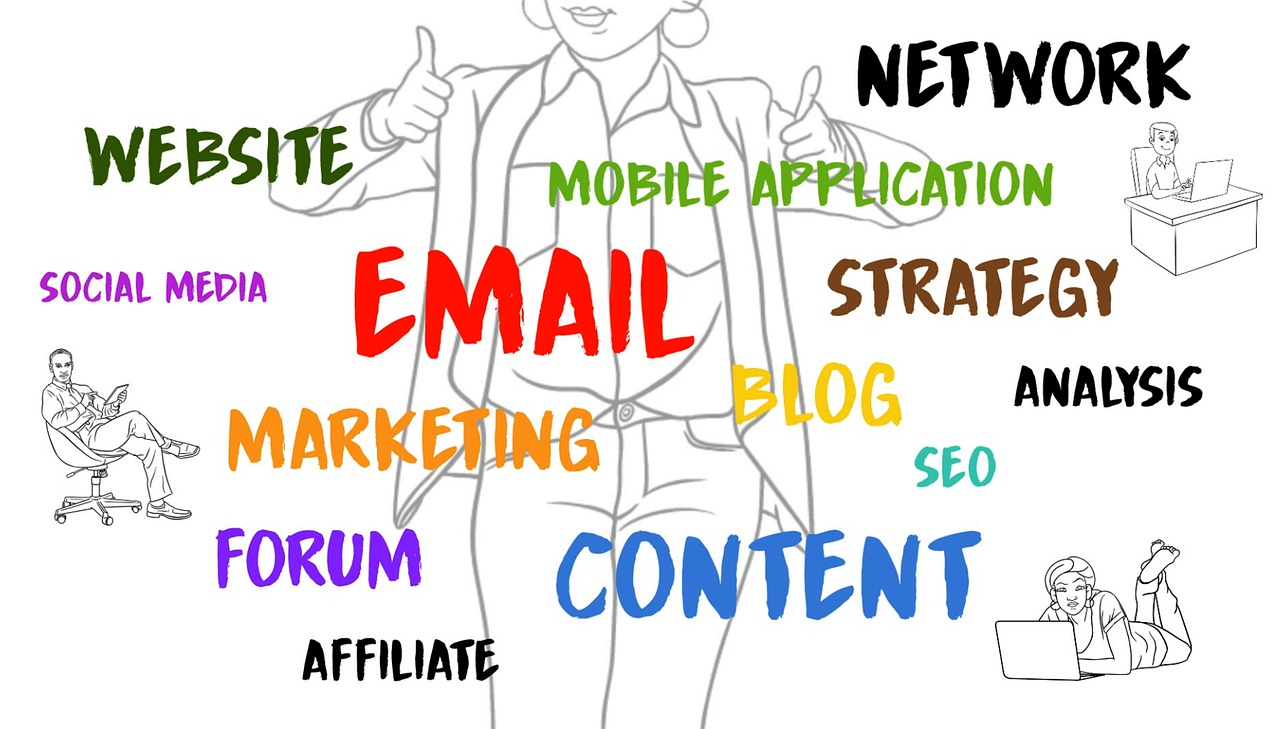
Optimizing review platforms is a critical yet often overlooked aspect of long tail keyword targeting. Users frequently turn to online reviews to guide their purchasing decisions, making these platforms essential for businesses to gain traction and establish trust. By strategically focusing on the right review sites, businesses can amplify their online presence and improve their search engine rankings, especially in the competitive long tail keyword market.
For long tail keywords, not all review platforms are created equal. A local plumbing business targeting "plumber near me" might benefit more from optimized listings on Google My Business and Yelp than a national e-commerce site selling specialized tools. This is because users searching for local services often start their journey on these platforms, making it crucial to have accurate, positive reviews to capture their attention. For top-rated long tail keyword strategies, businesses should aim to earn authentic reviews from satisfied customers on these platforms. Encouraging customers to leave reviews on Google, Yelp, and industry-specific forums can significantly boost a business's online credibility.
Trusted long tail keyword tracking tools can help monitor these review platforms' performance. By integrating these tools into an overall SEO strategy, businesses can identify high-value keywords and understand how their online reputation is perceived by potential customers. A study of local services in a given area might reveal that "best plumber in [city name]" has a high search volume and lower competition, making it a valuable long tail keyword to target. By consistently earning strong reviews for these keywords, businesses can climb the search rankings and attract more relevant traffic.
Businesses should consider the unique needs of their target audience when optimizing review platforms. A contractor specializing in green energy solutions might want to encourage reviews on industry-specific forums to showcase their expertise in niche markets. This multi-platform approach not only increases review visibility but also provides a more comprehensive online presence, which can lead to improved conversion rates. By understanding the behavior of their niche audience and where they gather online, businesses can tailor their review strategies to maximize engagement and conversions.
Crafting Unique Review Content: Stand Out

Creating unique, compelling review content is essential when leveraging long tail keyword targeting in your review maximization strategy. In a sea of generic reviews, standing out from the competition means crafting content that resonates specifically with your niche audience. This is where reliable long tail keyword research software comes into play, helping you uncover unique phrases that accurately reflect your service or product. Instead of a generic "plumber reviews," consider targeting a long tail keyword like "best emergency plumber near me." This not only targets a specific need but also leverages the power of location-based search.
Trusted long tail keyword tracking tools allow you to monitor the effectiveness of your review content. By analyzing which reviews are generating the most engagement, you can identify trends and refine your content to better align with customer expectations. If you notice a high number of reviews mentioning "friendly service," incorporate this language into your review responses and marketing materials. This demonstrates your commitment to customer satisfaction and builds trust with potential clients.
Integrating near me long tail keyword listings into your review strategy can significantly increase visibility. When a potential customer searches for a specific service "near me," they are looking for immediate, local solutions. By optimizing your listings with relevant keywords and ensuring accurate, up-to-date information, you increase the likelihood of appearing in these top results. This direct approach can drive a surge of targeted traffic and translate into more reviews.
Encouraging Reviews: Engagement Tactics

Encouraging reviews is a crucial aspect of maximizing the impact of long tail keyword campaigns. In a competitive online marketplace, positive customer feedback can significantly boost a business's credibility and search engine rankings. When targeting specific long tail keywords, it's essential to engage with your audience to cultivate reviews. This strategy not only improves your organic search performance but also creates a sense of community around your brand.
One effective tactic is to reach out directly to your customers after a purchase or service interaction. A simple, personalized email request can nudge satisfied clients towards leaving a review. A local plumber targeting "plumber in [tail keyword targeting]" might send an email with a direct link to the review page, expressing gratitude for their business and requesting their feedback. This direct approach has shown to yield higher response rates compared to generic pop-up requests or social media reminders.
Integrating review requests into your SEO strategy can enhance long tail keyword cost-analysis. By optimizing your website and product pages for user-generated content, you can reduce the reliance on expensive PPC advertising for these specific keywords. Tools like long-tail keyword generators and SEO analytics platforms can help identify the best review-prompting keywords for your business. A retailer focusing on "women's sustainable fashion in [tail keyword targeting]" might use these tools to uncover relevant long-tail keywords that have high search intent and low competition, enabling them to invest SEO resources more effectively.
Emergency SEO services for long tail keywords are not just about rapid response; they also involve implementing strategies to encourage reviews. Incorporating user-generated content into your content marketing strategy, such as showcasing customer testimonials on your homepage, can drive organic traffic and improve your search rankings. Leveraging social media platforms to feature reviews and engage with customers can foster a sense of community and loyalty, further strengthening your online presence. Best long tail keyword tools, when used effectively, can automate and streamline these processes, allowing businesses to focus on delivering exceptional customer experiences that naturally encourage reviews.
Analyzing and Responding to Feedback: Continuous Improvement

Analyzing and Responding to Feedback: Continuous Improvement
The real power of long tail keyword targeting lies in the insights it offers through user feedback. When customers leave reviews, they're sharing their experiences-both good and bad. These reviews are a gold mine of information for any business, offering a direct line to understanding customer needs, preferences, and pain points. For long tail keyword campaigns, this feedback is crucial for refining and refining your strategies.
Trusted long tail keyword tracking software allows you to monitor not only the performance of your targeted keywords but also the sentiment surrounding them. By analyzing customer reviews, you can identify common themes, both positive and negative. A plumbing business targeting "plumber for clogged drain in [tail keyword targeting]" might discover through reviews that customers highly value same-day service but wish for more transparent pricing. This information can be used to adjust marketing messages and SEO strategies.
Act on this feedback through proactive communication. Responding to both positive and negative reviews demonstrates your commitment to customer satisfaction. For a negative review, offer a sincere apology and work to resolve the issue, showing that you value their input. For positive reviews, express gratitude and consider offering incentives for continued loyalty. This two-way interaction builds trust and strengthens your relationship with customers, which can lead to repeat business and positive word-of-mouth, ultimately driving more traffic to your site through effective long tail keyword targeting.
Tracking Success: Metrics for Long-Term Growth

Tracking the success of your long tail keyword campaigns is crucial for sustained growth. Licensed long tail keyword experts recommend focusing on metrics that reflect both short-term and long-term health of your SEO strategy. One key metric is the conversion rate-the percentage of visitors who complete a desired action, like making a purchase or signing up for a newsletter. For long tail keywords, where traffic may be more niche and qualified, even a small increase in conversion rate can significantly boost overall ROI.
Another vital metric is review volume. This refers to the number of reviews generated for your targeted long tail keywords. Reviews are powerful assets for any business, especially in competitive markets. They enhance brand credibility, improve search rankings, and drive sales. However, it's not just about quantity; the quality of reviews matters. Encouraging detailed, insightful, and positive reviews can significantly impact customer trust and conversion rates.
Regular keyword cost analysis is also essential for long tail keyword campaigns. This involves monitoring the cost per click (CPC) and cost per acquisition (CPA) for each targeted keyword. By comparing these costs against the return on investment (ROI) from reviews and conversions, you can make informed decisions about budget allocation. A retail business targeting "organic skincare products for sensitive skin" found that while the CPC was relatively high, the CPA was significantly lower than expected, indicating a strong return on their long tail keyword advertising. This data allowed them to adjust their budget to focus on even more effective long tail keywords.
To optimize your long tail keyword targeting, regularly review these metrics and adjust your strategy accordingly. Utilize SEO analytics platforms and long-tail keyword generators to identify new opportunities and refine your approach. Remember, the goal is not just to attract more traffic but to convert that traffic into loyal customers who leave positive reviews. By combining these metrics and tactics, you can maximize your review volume and achieve sustainable growth in your long tail keyword campaigns.
Frequently Asked Questions About Maximizing Reviews in Long-Tail Keyword Campaigns
What are long-tail keywords, and why are they important for review campaigns?
Long-tail keywords are specific and detailed search phrases that are less common but more targeted. They're crucial for review campaigns because they attract a highly motivated audience who are ready to engage with your business. By focusing on these keywords, you can generate more relevant reviews from satisfied customers, boosting your online reputation and search rankings.
How do I identify the best long-tail keywords to target?
Start by analyzing your target audience's search behavior. Tools like Google Keyword Planner or SEMrush can help uncover long-tail keywords with good search volume and low competition. Look for phrases that accurately describe your unique services or products. Instead of "plumbers," target specific issues like "water leak repair in [local area]."
What strategies can I use to encourage customers to leave reviews?
Make review requests simple and convenient. Include clear calls-to-action in your post-service communication, reminding customers to share their experiences. Offer incentives, like discounts or loyalty points, but ensure these aren't coercive. Happy customers are more likely to leave positive reviews organically.
How do I optimize my website for better review visibility?
Ensure your website is optimized for search engines (SEO). Use your targeted long-tail keywords in title tags, meta descriptions, and content. Implement schema markup to help search engines understand your reviews and display them prominently. Regularly update your website with fresh content to improve its search ranking and increase review exposure.
Can social media help maximize reviews?
Absolutely. Social media platforms provide an excellent avenue to engage with customers and request reviews. Share post-service experiences and encourage customers to tag your business. Respond to reviews, both positive and negative, to show engagement and community care. This dialogue can lead to more reviews and better customer satisfaction.
What role does customer service play in review maximization?
Exceptional customer service is key. Provide outstanding experiences to ensure satisfied customers. The higher the customer satisfaction, the more likely they are to leave positive reviews. Train your staff to deliver consistent, friendly service, and handle complaints professionally. Happy customers become brand advocates, driving more reviews over time.
By mastering long tail keyword targeting and leveraging its power in review campaigns, businesses can achieve significant growth opportunities. This article has guided you through a comprehensive strategy, from identifying niche audiences and optimizing review platforms to crafting compelling content and encouraging user engagement. The key takeaway is that long tail keywords, when strategically applied, allow you to connect with highly specific customers and build trust through authentic reviews.
Next steps include implementing these tactics across your digital presence, from product pages to Google My Business. Continuously monitor and analyze user feedback, responding promptly to both positive and negative reviews. Track key metrics to measure success and refine your approach over time. This data-driven approach will ensure your long tail keyword campaigns remain effective and aligned with your target audience's evolving needs.
Long Tail Keyword Targeting Summary:
Maximize online visibility and reviews through strategic long tail keyword campaigns. Focus on specific, descriptive phrases like "best [service] near me" for lower competition and higher conversion rates. Identify target audience needs through keyword research, then create tailored content and reviews. Optimize review platforms with location-based keywords, monitor review trends, and respond to feedback for continuous improvement. Track key metrics like conversion rates and review volume to gauge campaign success and adjust strategies accordingly.